European Walnut vs. American Walnut Flooring: Comparing Two Timeless Woods
Few hardwoods carry the warmth and quiet luxury of walnut. Its deep tones and rich grain have made it a favorite of interior designers and architects for generations. Yet not all walnut is the same. European walnut and American black walnut differ in color, grain, and character, and those differences shape how a finished floor looks and feels. If you’re weighing walnut for your home, this side-by-side comparison breaks down what sets these two timeless woods apart so you can choose with confidence.
Meet the Two Walnuts: European Walnut and American Black Walnut
Before comparing floors, it helps to meet the two woods themselves. European walnut and American black walnut come from related but distinct trees, and each brings its own personality to a plank. Understanding their origins explains why designers reach for one over the other depending on the project.
What Sets European Walnut Apart
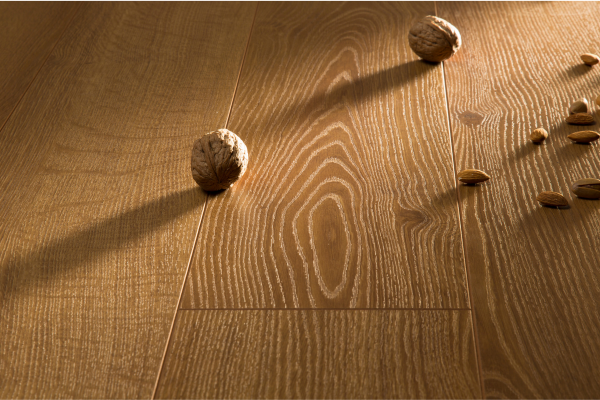
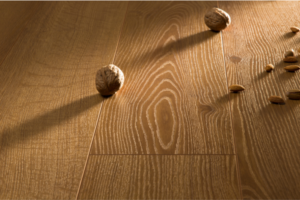
European walnut, sometimes called English walnut, grows across Europe and parts of Asia. Its timber tends toward lighter, more varied brown tones, often with streaks of grey, honey, and reddish hues running through a single board. That variation gives European walnut a softer, more nuanced look that feels refined rather than uniform.
Designers prize European walnut for exactly that subtlety. The wood carries a gentle elegance, and its varied grain makes each plank distinctive. A European walnut worktop or floor reads as understated luxury, which is why it remains so sought-after in high-end interiors.
What Defines American Black Walnut
American black walnut, native to North America, delivers a deeper, darker color. Its heartwood ranges from deep chocolate to an almost-black brown, giving American walnut a bold, dramatic presence. The tone is richer and more consistent than European walnut, with a straighter grain in many boards.
That depth makes American black walnut a statement wood. Whether in wood floors, cabinets, or American walnut worktops, the near-black richness creates an eye-catching, luxurious surface that anchors a room instantly.
European Walnut vs. American Walnut: The Key Differences in Color and Grain
When you set European walnut and black walnut side by side, two differences jump out immediately: color and grain. These are the qualities that most influence how a walnut floor looks in your interior.
Comparing Colour: Warm Browns, Purple Tones, and Rich Contrast
European walnut leans toward lighter, warmer browns with plenty of contrast. You’ll often spot golden, grey, and even subtle purple tones woven through a board, which gives the wood a lively, multidimensional look. That range of hue keeps the floor feeling warm and organic.
American walnut, by contrast, delivers a deeper, more uniform chocolate-brown color that edges toward almost black. It offers less tonal variation but far more drama. If you want a rich, dark floor with a consistent tone, American black walnut answers; if you prefer warmth and varied contrast, European walnut wins.
Comparing Grain Patterns in European Walnut and Black Walnut
Grain tells the rest of the story. European walnut shows a more varied grain pattern, with waves, swirls, and irregular figures that make each plank unique. That natural beauty gives European walnut and black walnut floors very different rhythms across a room.
American black walnut generally features a straighter, more even grain, which reinforces its clean, contemporary feel. Both grains are beautiful; the choice comes down to whether you want the lively character of varied grain or the calm consistency of a straight grain.
How Each Walnut Wood Performs as Flooring
Looks matter, but a floor also has to perform. Both American and European walnut make excellent hardwood flooring, though a few practical factors deserve attention before installation.
Hardness, Durability, and Everyday Wear in Walnut Flooring
Walnut is softer than oak, sitting lower on the hardness scale, and that’s the main con to weigh. Its lower density means walnut flooring can show dents and wear more readily in very high-traffic areas. The pro side is that walnut’s rich color hides minor marks well, and a quality finish adds meaningful durability.
For most living spaces, walnut delivers plenty of long-lasting performance with proper care. A durable finish protects the surface, and the wood’s natural warmth only deepens the sense of luxury over time. For busy households, choosing the right finish makes all the difference.
Solid Wood vs. Engineered Wood Walnut Floors
Walnut comes as both solid wood and engineered wood, and the distinction matters for stability. Solid walnut is milled from a single piece of timber and moves more with changes in humidity. Engineered wood bonds a real walnut surface over a stable core, so the plank resists expansion and contraction and installs beautifully over a variety of subfloors.
For many homes, especially in dry or variable climates, engineered walnut flooring offers the smarter balance of natural wood beauty and reliable performance. You can see how CP Parquet engineers that stability into every plank without sacrificing the authentic look of real walnut.
Walnut vs. Oak: How Walnut Flooring Compares to European Oak
Many buyers cross-shop walnut against oak, so it’s worth a direct comparison. European oak is harder, denser, and lighter in color, offering pale, neutral tones and a subtler grain. Walnut brings deeper color, more warmth, and a more luxurious, dramatic presence.
Oak’s higher density gives it an edge in raw durability, while walnut wins on richness and character. Neither is objectively “better”; they simply serve different design goals.
When to Choose Walnut Over Oak for Your Interior
Choose walnut when you want warmth, depth, and a high-end, timeless feel. Its dark tones create intimacy and elegance, making rooms feel rich and inviting. Walnut suits luxury interiors, refined living rooms, and spaces where the floor should make a statement.
Oak makes more sense for a light, airy, contemporary look or for very high-traffic areas that demand maximum hardness. If your priority is mood, warmth, and distinctive grain, walnut is the more expressive choice.
Choosing Walnut for Floors, Worktops, and Beyond
Walnut’s appeal extends well beyond the floor. Its beauty and versatility make it a favorite across the home, from flooring to cabinetry to statement surfaces.
Beyond the Floor: American Walnut Worktops and Wood Worktop Uses
American walnut worktops bring the same rich, chocolate depth to kitchens and workspaces that the wood delivers underfoot. A walnut wood worktop pairs beautifully with lighter cabinets, creating striking contrast, while a European walnut worktop offers a warmer, more varied surface. Designers often carry walnut across floors, worktops, and cabinets to create a cohesive, luxurious interior.
Because walnut is so versatile, it works in both rustic and modern schemes. That flexibility is part of why the wood remains a staple in high-end interior design.
Which Walnut Flooring Is Right for Your Home?
The choice between European walnut and American black walnut comes down to the look you love. Reach for European walnut when you want warm, varied brown tones and a lively grain, or choose American walnut when you want deep, almost-black richness and a cleaner, more uniform grain. Both deliver the timeless warmth and elegance that make walnut floors so special.
Whichever you prefer, engineered walnut gives you that natural beauty with the stability a real home demands. To compare species, tones, and formats in person, explore CP Parquet’s luxury wood floors and see how each walnut might look in your own space.