Why a 5mm Wear Layer Matters Most When Buying Luxury Engineered Hardwood
When you shop for engineered hardwood, you’ll compare species, colors, and plank widths, but one number quietly determines how long your floor will actually last: the wear layer thickness. Many buyers overlook it, yet this single measurement separates a floor you’ll refinish and enjoy for decades from one you’ll replace far too soon. A 5mm wear layer sits at the heart of luxury engineered hardwood, and understanding why it helps you invest wisely. Here’s what the wear layer is, why its thickness matters most, and how to choose the right floor.
Understanding Engineered Wood: What the Wear Layer Actually Is
Understanding engineered wood starts with understanding how it’s built. Unlike solid hardwood milled from a single piece, an engineered wood floor layers a genuine hardwood surface over a stable core. That top layer of real wood is the wear layer, and it’s the part you see, walk on, and eventually refinish.
Because the wear layer is the working surface of the floor, its thickness shapes nearly everything about the floor’s lifespan and performance. Knowing what it is puts you in a far stronger position as a buyer.
The Wear Layer vs. the Core in an Engineered Wood Floor
An engineered floor has two main parts: the wear layer on top and the core beneath it. The core, often made of plywood or high-density fiberboard, gives the plank its stability and resistance to humidity and movement. The wear layer, a slice of real hardwood, delivers the natural beauty and the surface you actually live on.
Both parts matter, but they do different jobs. The core keeps the floor flat and stable, while the wear layer determines how the floor looks and how many times you can renew it. In a quality engineered hardwood floor, the two work together.
How Wear Layer Thickness Is Measured on Hardwood Flooring
Manufacturers measure wear layer thickness in millimeters, describing only that top layer of real wood, not the whole plank. On hardwood flooring, you’ll see wear layers ranging from a thin 0.6mm veneer up to a robust 5mm or more. That measurement refers strictly to the hardwood surface above the core.
This is an important distinction, because the wear layer thickness, not the overall plank height, tells you how durable and refinishable the floor really is. Always look for that specific number when comparing products.
Why the Thickness of the Wear Layer Matters Most
The thickness of the wear layer matters most because it governs both durability and longevity. A floor is only as good as the wood you can actually use over its lifetime, and a thicker wear layer gives you more of it.
How a Thicker Wear Layer Drives Durability
A thicker wear layer simply gives you more real wood to work with. That extra material resists everyday wear, absorbs the impact of foot traffic, and holds up to the small dents and scratches that accumulate over years of living. A thin veneer wears through quickly, while a thicker wear layer keeps the floor looking beautiful far longer.
Durability, in other words, is built into the thickness. When you choose a floor with a generous wear layer, you’re buying years of extra life before the surface shows its age.
Why a Thicker Wear Layer Lets You Refinish an Engineered Hardwood Floor
The single biggest advantage of a thick wear layer is the ability to refinish. Refinishing sands away a fraction of a millimeter of wood to erase scratches and restore the surface, and you can only do that if there’s enough wood to sand. A thin wear layer allows one light refinish at best; a 5mm wear layer allows several over the decades.
That refinishing potential transforms an engineered hardwood floor from disposable to generational. Instead of replacing the floor when it looks tired, you simply refinish it and start fresh, which is exactly what makes a thicker wear layer such a smart investment.
What Makes 5mm the Benchmark for Luxury Engineered Hardwood
Among the range of options on the market, 5mm has emerged as the benchmark for luxury engineered hardwood. It offers enough real wood to rival solid hardwood in refinishing potential while keeping the stability advantages of engineered construction.
Comparing Common Flooring Thickness Options on the Market
Wear layers vary widely across the market. Budget engineered floors often use a 0.6mm to 2mm wear layer, which limits refinishing to little or none. Mid-range products land around 3mm, allowing one or two refinishes. A 5mm wear layer sits at the top tier, giving you the deepest reservoir of real wood and the most refinishing cycles.
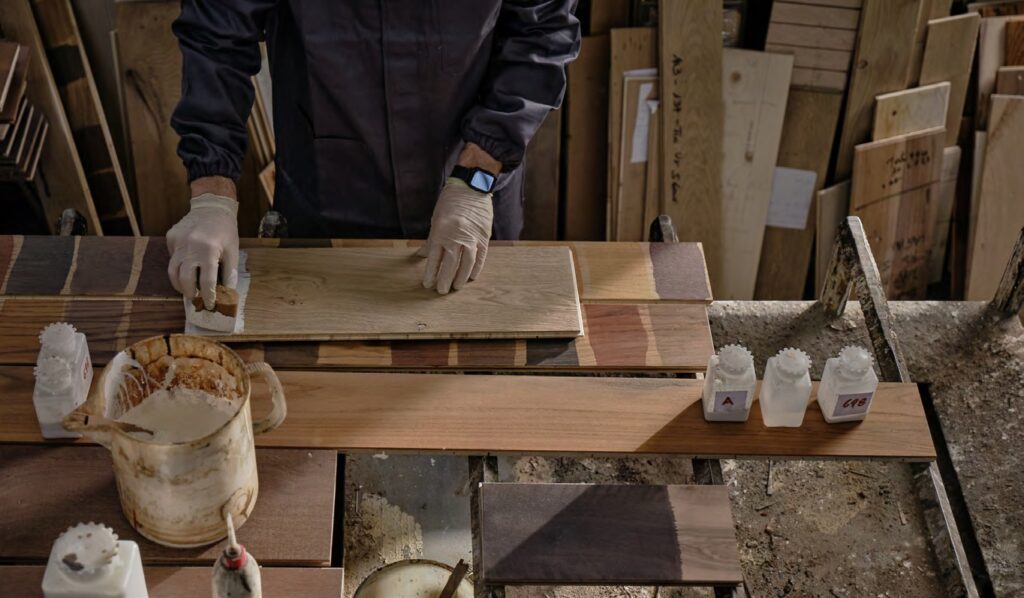
Compare those flooring thickness options and the value of 5mm becomes clear. It bridges the gap between engineered convenience and the decades-long lifespan buyers expect from a premium floor. CP Parquet builds that quality into its engineered construction, pairing a substantial wear layer with a stable core.
Why Thickness Alone Doesn’t Tell the Whole Story
As important as it is, thickness alone doesn’t tell the whole story. A thick wear layer sitting on a poorly built core, or finished with a low-quality coating, won’t deliver the performance the number promises. Core quality, wood species, finish, and manufacturing precision all shape how the floor performs and ages.
So while 5mm is an excellent benchmark, treat it as one piece of the picture. The best luxury engineered hardwood pairs a generous wear layer with a stable core, a durable finish, and genuine craftsmanship.
Wear Layer vs. Overall Flooring Thickness: Clearing Up the Confusion
Buyers often confuse the wear layer with the overall flooring thickness, and manufacturers sometimes blur the line. The overall plank thickness includes the core plus the wear layer, so a thick plank can still hide a thin, disappointing wear layer on top.
Always separate the two numbers. A 15mm plank might carry only a 2mm wear layer, while a well-made floor advertises its wear layer thickness clearly and proudly. When you compare products, ask specifically about the wear layer, not just the total flooring thickness, so you know exactly how much real wood you’re getting.
How the Wear Layer Compares to Luxury Vinyl Flooring
Luxury vinyl flooring also uses a “wear layer,” but the term means something completely different there. On luxury vinyl, the wear layer is a clear plastic film measured in mils that protects a printed image of wood. It can’t be refinished, and it isn’t real hardwood at all.
Engineered hardwood’s wear layer, by contrast, is genuine wood you can sand and renew. That difference matters enormously for longevity and authenticity. If you want the real look, feel, and refinishable lifespan of natural wood, engineered hardwood with a thick wear layer outperforms even the best luxury vinyl.
How to Choose the Thickness That Fits Your Floor
Choosing the right wear layer thickness comes down to how long you want the floor to last and how much refinishing potential you value. For a forever home or a high-traffic space, a 5mm wear layer gives you the durability and refinishing cycles to keep the floor beautiful for generations. For lighter-use spaces, a slightly thinner layer may suffice, but the premium of a thicker wear layer almost always pays off over time.
When you choose the thickness, weigh it alongside core quality, species, and finish rather than in isolation. To see how a substantial wear layer, stable construction, and genuine craftsmanship come together, explore CP Parquet’s luxury wood floors and look closely at the wear layer behind every plank.