Wengè, Iroko, and Afrormosia: Rare African Woods for Luxury Colorado Mountain Floors
Oak and walnut earn their popularity, but a small group of rare African woods offers something you simply can’t find in familiar hardwoods. Wengè, Iroko, and Afrormosia bring dramatic color, exceptional hardness, and a genuinely exotic character to a floor. In Colorado’s luxury mountain homes, where architecture frames sweeping views and design leans toward the bold, these tropical timbers make a striking statement. This guide profiles all three wood species, explains how each performs as a floor, and helps you understand what makes rare African wood so special.
Why Rare African Wood Belongs in a Luxury Mountain Floor
Rare African timber carries a presence that mainstream wood species rarely match. These woods grow slowly in tropical West Africa, developing dense, richly colored heartwood prized for both furniture and architectural millwork. When you bring one into a home as flooring, you’re installing a material with real rarity and depth.
For a luxury mountain floor, that distinction matters. The right exotic wood turns an ordinary surface into a focal point, giving an interior a sense of craft and individuality that off-the-shelf hardwood can’t replicate.
What Makes an Exotic Wood Species Different From Familiar Hardwoods
Exotic wood species differ from domestic hardwoods in density, color, and grain. Many rank far higher on the Janka hardness scale, which makes them exceptionally durable and resistant to dents. Their heartwood often shows deep, unusual hues, from near-black to golden brown, while the sapwood stays noticeably paler.
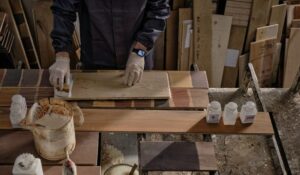
These woods also behave differently in the mill. Their tight pore structure and interlocked grain create beautiful ribbon and stripe figure, especially when quartersawn, though that same density demands skill to mill, glue, and finish. The payoff is a board with luxurious character you won’t find in ash, maple, or standard oak.
How Rare African Timber Suits the Colorado Mountain Aesthetic
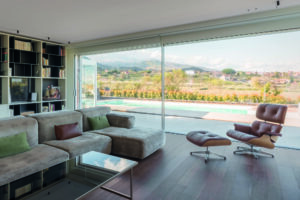
Colorado’s mountain aesthetic blends natural materials with bold, contemporary architecture. Rare African timber fits that language beautifully. Wengè’s near-black tone anchors a modern great room, while Iroko and Afrormosia’s warm, golden hues echo the surrounding landscape and complement stone, glass, and steel.
Because these woods bring both drama and warmth, they suit interiors that want to feel refined rather than rustic. A rare African wood floor gives a mountain home a distinctive, high-end foundation that reflects the owner’s taste.
Wengè: The Dramatic Dark African Hardwood
Wengè (pronounced “when-gay”) is one of the darkest woods in the world, and that alone makes it unforgettable. Native to Central and West Africa, this exotic hardwood delivers a bold, almost-black surface that designers reach for when they want maximum drama.
The Color, Grain, and Character of Wenge Wood
Wenge wood ranges from deep chocolate to dark, near-black brown, with fine black veins running through the grain. Those tight, straight lines give the surface a striking, contemporary look, and the heartwood’s color deepens under UV exposure over time. The wood’s coarse texture and large pores add tactile character you can feel underfoot.
That dramatic color makes wenge a favorite for statement floors, cabinetry, and furniture alike. Few woods deliver such a rich, dark hue naturally, without heavy staining.
How Wenge Performs as a Luxury Floor
Wenge performs superbly as a luxury floor thanks to its exceptional hardness and durability. Sitting high on the Janka hardness scale, it resists dents and everyday wear, standing up well to foot traffic in busy mountain homes. The dense timber is naturally resistant to rot and insects, adding to its longevity.
That same density means wenge demands experienced milling and a careful finish, but the result is a durable, dramatic floor built to last. It finishes well and, sealed properly, keeps its deep color for generations.
Iroko: The Golden “African Teak”
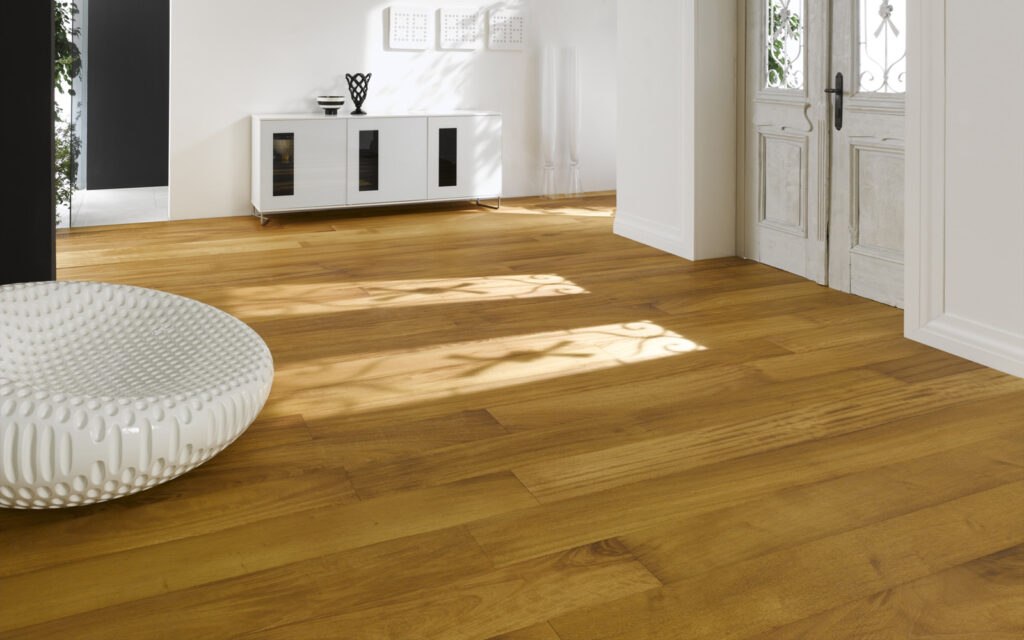
Iroko offers a completely different personality: warm, golden, and inviting. Often called “African teak,” this West African timber has earned a reputation as a durable, versatile wood for everything from flooring to boatbuilding.
Why Iroko Wood Earns the African Teak Nickname
Iroko wood earns its African teak nickname because it mimics genuine Burmese teak so closely, at a fraction of the rarity. Its golden-brown color, interlocked grain, and natural oiliness all echo teak, which is why builders have long used iroko lumber as a teak substitute in yacht decks, boat building, and outdoor cladding.
Freshly milled iroko starts yellowish and darkens to a rich golden brown as it ages and meets UV light. That warm, evolving hue gives the wood a living quality that flooring buyers love.
Iroko Lumber, Durability, and Everyday Wear as a Floor
As a floor, iroko lumber delivers outstanding durability. The wood resists rot, insects, and moisture naturally, which is exactly why it succeeds in demanding marine and structural uses. On an interior floor, that resilience translates into a surface that handles everyday wear with ease.
Iroko’s interlocked grain adds strength but calls for sharp hand and machine tools during milling. Once installed and finished, though, iroko gives a mountain home a warm, golden, remarkably tough floor that ages gracefully.
Afrormosia: The Refined Alternative to Teak
Afrormosia (also spelled afromosia, and sometimes labeled Pericopsis elata) rounds out the trio as the most refined of the three. This West African hardwood offers teak-like beauty with a finer, more elegant grain, making it another sought-after teak substitute.
The Warm Tones and Fine Grain of Afrormosia Wood
Afrormosia wood shows warm golden-brown tones, occasionally with reddish undertones, and a fine, tight grain that reads as smooth and sophisticated. Compared to iroko, its texture is finer and more uniform, giving the wood a polished, luxurious appearance. Like the others, its color deepens under UV exposure over time.
That refined look makes afrormosia a favorite for high-end furniture, cabinetry, trim, and millwork, as well as flooring. It finishes beautifully and takes a clean, elegant surface.
How Afrormosia Lumber Holds Up in a Mountain Home
Afrormosia lumber holds up impressively in a mountain home. The dense, durable timber resists rot and insects and offers strong dimensional stability, which matters in Colorado’s dry, variable climate. Its hardness makes it resistant to dents and everyday wear across high-traffic spaces.
Historically prized for boatbuilding and fine joinery, afrormosia brings that same reliability to an interior floor. It’s a versatile, refined choice for homeowners who want teak’s warmth with a more elegant grain.
Comparing the Three Exotic Wood Species for Your Floor
Each of these woods brings a distinct look and feel. Wengè delivers dramatic, near-black boldness; Iroko offers warm, golden durability; and Afrormosia provides refined, teak-like elegance. All three rank high for hardness and resist rot and insects, so they perform beautifully as floors, differing mainly in color and grain character.
Matching Wood Species, Color, and Plank Thickness to Your Interior
Choosing among them comes down to the mood you want. Pick wenge for a modern, dramatic interior; iroko for warmth and rugged versatility; afrormosia for understated luxury. Beyond color, consider plank width and thickness, since wide boards suit open mountain spaces while a substantial wear layer supports refinishing over time.
Matching wood species, color, and plank thickness to your interior ensures the floor complements your architecture rather than competing with it. To see how premium construction and generous plank formats come together, explore CP Parquet’s craftsmanship and available formats.
Choosing Rare African Wooden Flooring Responsibly
Rare African wooden flooring carries a responsibility along with its beauty. Some of these species, afrormosia in particular, face pressure from over-harvesting, so responsible sourcing matters enormously. Choosing certified, sustainably harvested timber protects these forests and ensures your floor’s beauty doesn’t come at the environment’s expense.
When you select an exotic wood floor, ask about the source and look for verified sustainability credentials. Done responsibly, a rare African wood floor becomes a lasting, luxurious centerpiece you can feel good about. To explore species, formats, and finishes suited to Colorado mountain homes, browse CP Parquet’s luxury wood floors.