How to Read the Grain and Understand the Character of Luxury Hardwood Floors
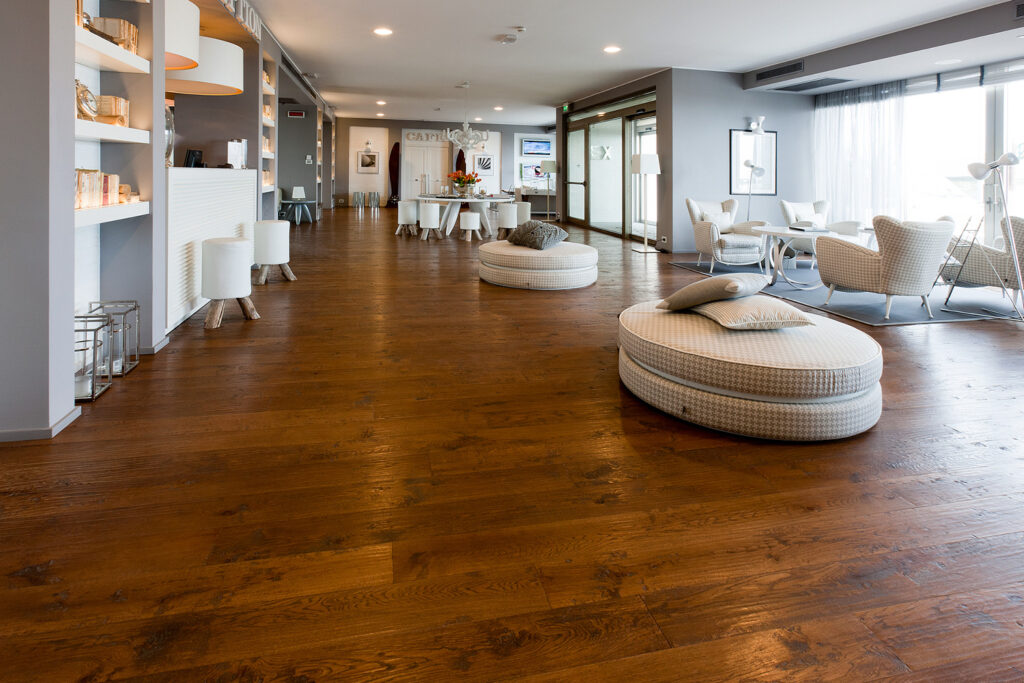
Walk into two rooms with a hardwood floor, and you feel the difference before you can explain it. One room feels calm and polished. The other feels warm and rustic. The grain pattern usually creates that feeling. When you learn to read it, you can choose hardwood flooring with confidence and make informed decisions about your flooring.
The Hidden Language of Wood Grain
Every wood floor speaks in a hidden language. The language of wood grain shows how a tree grew, how a mill cut it, and how a plank will look in your home. Wood fibers run along the trunk, and those fibers form the grain lines that create unique grain patterns in real wood. Understanding hardwood begins with learning to read it.
Natural Variation in Every Hardwood Floor
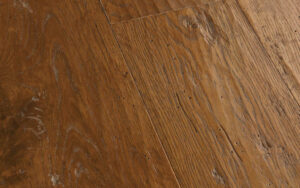
No two trees grow alike. Soil, climate, and age create natural variation, so hardwood planks from one tree species can show consistent grain next to a board with wavy grain. This grain variation is the natural beauty of the material, not a mistake. Treat each piece of wood as a small record of the tree’s life.
Grain and Character Are Not the Same Thing
Grain describes the lines and texture. Character includes everything else: color variation, knots, mineral streaks, and any imperfection that gives a board personality. Two boards can share a straight grain and still tell a different story if one carries deep color variation. Together, grain and character shape the natural character of the wood and the overall appearance of the wood.
How the Cut Shapes Hardwood Grain Patterns
A mill can saw one log three ways, and each cut produces different hardwood grain patterns.
Plain-Sawn and the Cathedral Grain Pattern
Plain-sawn boards show sweeping arches, or cathedrals. This grain pattern looks lively and organic, and it hides scuffs well, which makes it ideal for high-traffic areas.
Rift-Sawn and Its Straight Lines
Rift-sawn boards show tight, parallel lines with almost no arching. Their straight grain suits clean, modern interior design and gives a room a quiet feel.
Quarter-Sawn and Its Ray Fleck
Quarter-sawn boards also show straight grain, but they add ray fleck, shimmering streaks that catch the light. White oak displays this feature beautifully and adds visual interest.
How Different Wood Species Change Grain and Character
Each choice of wood species changes the story. A different wood species brings its own grain lines, color, and hardness, and a wide variety of wood means a wide range of looks.
Oak and Its Pronounced Grain
Red oak shows a pronounced grain and warm, rosy tones. White oak looks calmer, with golden brown tones and a more refined texture. Like oak in general, both species have an open grain that adds depth to any wood floor. You can compare their tones in the oak collection.
Maple and Its Quiet Elegance
Maple offers a smoother and more subtle grain than oak. Its pale, fine texture gives a room elegance and lets furniture and décor take center stage. When you set oak and maple side by side, you see how species alone can transform a space. See the maple flooring page for more.
Other Types of Wood Worth Knowing
Walnut brings rich chocolate tones and flowing figure, and you can compare American walnut with European walnut. Hickory delivers bold contrast between pale and dark boards, which suits rustic spaces. Solid hardwood and engineered hardwood flooring both show true grain, because engineered wood carries a real wood top layer. A greater plank width also displays more of the grain pattern within a single board, as you see in XL wide plank floors.
Understanding Hardwood Knots and Natural Character
Knots and streaks show natural character most clearly.
What a Knot Really Tells You
A knot marks the spot where a branch once grew. Small, tight knots add rustic charm and confirm that the board came from real wood. Character-grade boards keep them, while cleaner grades remove most of them. Decide which level of imperfection fits your taste.
Mineral Streaks and Color Shifts
Mineral streaks are dark or greenish lines that form when a tree absorbs minerals from the soil. They appear in maple, oak, and other species, and they create color variation across a floor. These natural characteristics show that a living tree produced the wood, so a strict search for perfect hardwood misses the point.
Let the Grain Do the Talking
The perfect hardwood flooring is not flawless. It fits your room and your routine. Study the design elements already in your space, then ask how a grain pattern can influence the overall design aesthetic. Straight grain supports a minimal look, while bold grain adds energy. Either way, you can use hardwood to enhance the natural beauty and character of a home.
As you explore hardwood flooring options, look past the color sample and study the wood’s grain instead. Judge the beauty of the wood by its lines and knots. A careful selection of hardwood rewards patience, whether you browse an extensive selection of hardwood flooring or a few flooring products. Different hardwood species will tell a different story in every room, so choose the perfect hardwood flooring by reading the plank first. You can see how CP Parquet USA approaches wood grain patterns in its luxury flooring for your home.