Light Oak vs. Deep Smoked: Choosing a Floor Tone That Shapes the Whole Room
The floor sets the style of a home before any furniture or paint enters it. Most homeowners start their search with manufactured options, where laminate and luxury vinyl plank promise a realistic wood look at a lower price. Luxury vinyl flooring offers practicality, and plain vinyl flooring keeps improving, but only authentic natural wood delivers the visual depth of hardwood. Once that decision lands, the real question takes over. Which tone of oak flooring shapes the rooms the way you want them to feel, and how does each shade read across wide plank flooring? Here is how light oak and deep smoked oak differ, and how to compare them against your own interior.
Why the Floor Tone Sets the Style of a Home Before Anything Else
The floor is the largest uninterrupted surface in any interior. It fills the lower half of every view in the room, so its shade quietly decides how the whole space reads before a single piece of decor arrives. Wall paint changes in an afternoon. Furniture moves. The floor stays, which makes its tone the most committed style selection in the home.
How Light and Dark Read Differently in the Same Space
A light shade reflects daylight and makes a room feel spacious and airy. A dark shade absorbs light and makes the same room feel intimate, warm, and grounded. Identical square footage, identical windows, two completely different moods. The tone choice deserves more attention than almost any other decision in a renovation, because it sets a visual direction everything else must follow.
What Smoked Actually Means for Oak
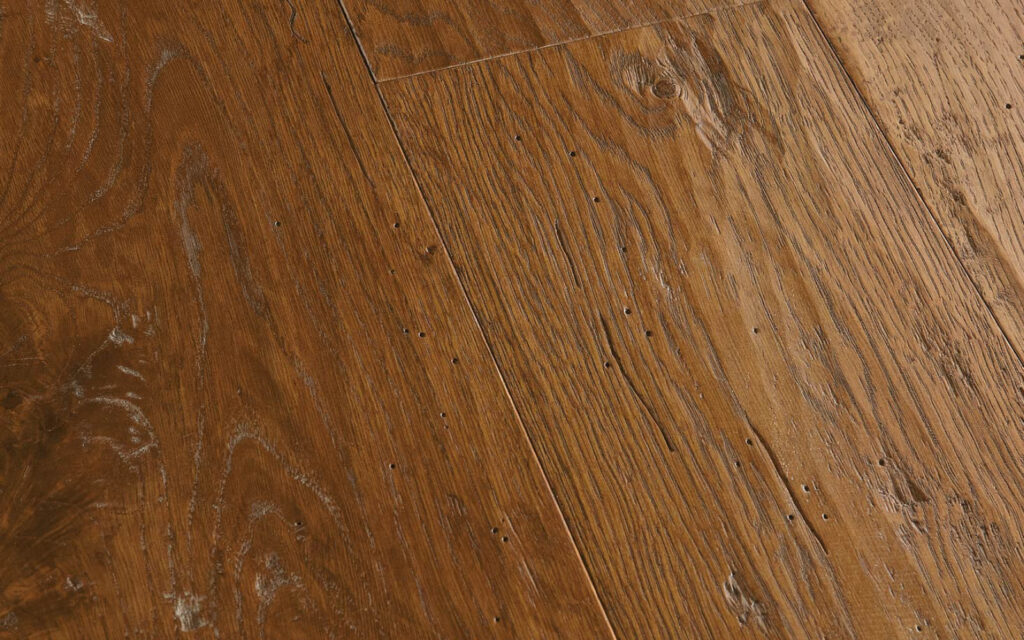
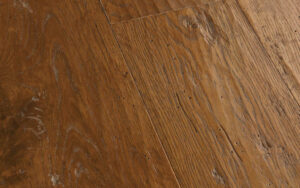
Smoking is not a stain. The process exposes oak to ammonia fumes, which react with the tannins inside the wood and darken it through the top layer of each plank. The color comes from within, so the floor reads authentic and shows the grain rather than covering it. The result carries genuine depth, with brown and beige tones that shift quietly as daylight moves across the surface.
How Light Oak Behaves in a Room
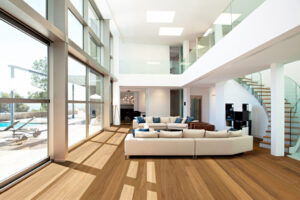
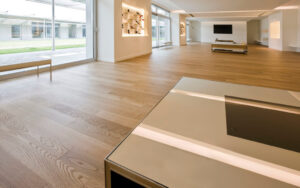
Light oak works like a reflector. It bounces whatever light the room receives back into the space, and it keeps small or dim rooms feeling open.
Brightness, Grain, and the Airy Feel
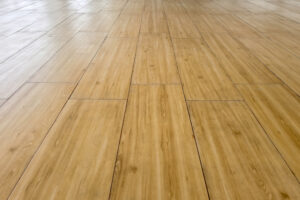
Natural oak in pale tones suits coastal and Scandinavian interiors, and it flatters almost any neutral palette. The grain stays visible, the knots read as rustic character rather than flaws, and the overall effect feels calm and versatile. In a small room, that brightness marks the difference between cramped and comfortable.
The Texture and Finish Choices That Keep Light Oak From Falling Flat
A light floor with a glossy finish and no texture can read flat and washed out. The cure is surface character: a brushed texture that raises the grain, a matte natural finish, and planks that keep their knot and pattern. Light oak earns its elegance from what the hand can feel, not just from its shade.
How Deep Smoked Oak Grounds a Space
Deep smoked oak does the opposite work. It pulls the eye downward and anchors the room, giving the interior a sense of weight and permanence.
Depth, Drama, and the Rooms That Can Hold It
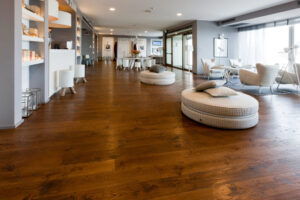
A dark floor adds drama and warmth, and it makes a strong accent for contemporary spaces with clean lines. It asks for light, though. A large room with generous windows holds a smoked floor beautifully, while a small dark room can feel heavier than the homeowner expects.
Why Smoked Oak Flooring Pairs Best With Light Walls
Smoked oak flooring pairs best with light walls because the contrast lets the floor read as an intentional accent rather than a heavy mass. Light walls preserve the brightness the floor absorbs, and the dark planks ground the scheme. The pairing delivers an elegance neither extreme reaches alone.
How to Compare the Two Against Your Own Home
Showroom lighting flatters every flooring option. The honest comparison happens in your own rooms, under your own light, beside the things you already own.
Light, Windows, and the Direction Your Rooms Face
South-facing rooms receive warmer light that deepens golden tones, so natural oak can read warmer than the sample suggested. North-facing rooms receive cooler light that can pull grey from pale floors and drain richness from dark ones. Watch both tones at morning, noon, and evening before deciding.
Furniture, Textiles, and the Undertones You Already Own
Hold samples against the furniture and textiles you plan to keep. A floor does not need to match your wood pieces; it needs to complement them. Warm undertones in existing furniture argue for warmer floors, while cooler greys and whites give both tones room to work.
Choosing Without Guesswork
Order samples of both tones and live with them for a few days. Beyond looks, weigh durability and maintenance honestly: lighter floors show dust and scratches sooner, darker floors show pet hair and scuffs, and both reward the same upkeep. Both tones come from the same durable species, so the choice is about light and mood rather than strength. A real wood floor is a long-term investment, and its longevity depends on construction as much as color, which is why a thick wear layer matters more than most homeowners expect, and why the hidden cost of cheap engineered hardwood appears long before the style fades. Choose the tone in your own light, and the floor will shape the room for decades.