Why Teak and Doussiè Belong in the Conversation About Exotic Luxury Floors
Conversations about exotic flooring tend to start and end with a hardness chart. Ipe, Brazilian cherry, jatoba, mahogany, and tigerwood, most of them South American, dominate those lists, and many homeowners assume the best wood is simply the one that resists dents. Teak and doussiè tell a richer story. Both earn a place among popular exotic species through color that deepens with age, grain that domestic timber cannot copy, and a quiet opulence that upscale living spaces reward. Here is why these two wood species belong in any serious conversation about exotic luxury floors.
What Makes a Wood Species Exotic in the First Place
An exotic wood species grows outside of North America, usually in the tropical regions of Africa, South America, and Southeast Asia. A domestic hardwood such as red oak or walnut comes from American forests, while exotic species arrive from places like Peru, West Africa, and Burma. That difference in origin shapes the type of wood a homeowner sees and feels underfoot.
Exotic Hardwood Versus Domestic Hardwoods in the Home
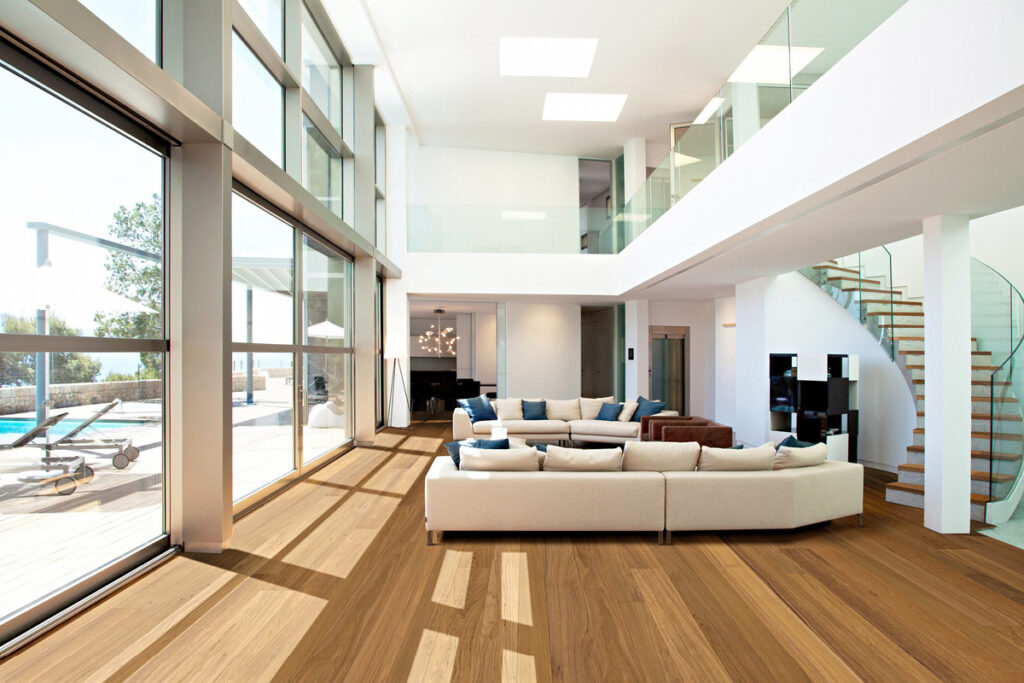
Domestic hardwoods lean toward familiar, restrained tones. Exotic hardwood flooring brings contrast, with deeper reds, richer browns, and grain patterns full of vibrancy that oak and maple rarely match. Acacia, a fast-growing exotic, shows swirls and knots that give each plank a rustic character all its own. Where a domestic floor often aims to blend in, an exotic wood floor gives a room a focal point.
Why Origin Gives Each Species Its Uniqueness
Tropical climates grow wood differently. Consistent warmth, heavy rainfall, and dense forests produce timber with higher density, natural oils, and unique grain that temperate species seldom develop. The same forces that make these woods exotic also make each plank individual, so no two floors ever look quite alike. That uniqueness is the real reason homeowners seek out exotic species in the first place.
Teak Earns Its Place Among Popular Exotic Woods
Golden Color and Natural Oils That Define Teak
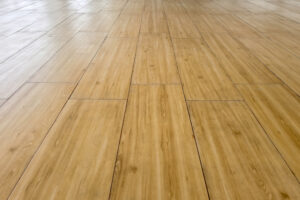
True teak carries a golden brown tone marked by dark brown streaks, and its surface holds a soft luster that comes from natural oils inside the wood. Those oils give teak its famous resistance to moisture, which is why craftsmen use the timber to manufacture exterior decking, boats, and outdoor furniture. Indoors, the same oils help a wood floor shrug off everyday spills. Add a wavy, expressive grain, and you can see why teak became a status symbol in fine homes.
Where Teak Sits on the Janka Scale and Why It Still Belongs
On the Janka scale, true teak measures around 1,000 pounds of force, below red oak at about 1,290. Shoppers often confuse it with Brazilian teak, which is actually cumaru, one of the hardest woods in the world at over 3,500. True teak still belongs in the conversation because hardness is only one part of durability. Its stability keeps planks flat, its oils repel water, and it resists warp through decades of seasonal change, qualities a chart never shows.
Doussiè Brings Warmth and Strength to the Same Conversation
How a Doussiè Wood Floor Deepens With Light and Time
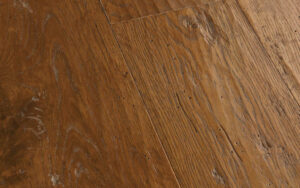
Doussiè, an Afzelia species from West and Central Africa, begins as a golden red hardwood and slowly deepens when exposed to sunlight. This photosensitive character means a floor laid in a bright hallway or living room settles into a rich red-brown within its first year, with dark streaks adding movement across the surface. The tones darken into something richer rather than fading, add warmth to living spaces the way a fine rug does, and keep gaining vibrancy as the floor ages.
Hardness That Outperforms Many Domestic Hardwoods
At about 1,810 on the Janka scale, doussiè outperforms hard maple at 1,450 and sits nearly level with hickory, one of the hardest domestic options available. It also resists termites and stays smooth under constant friction. For a homeowner who wants exotic color without surrendering impact resistance, doussiè is an excellent choice among types of hardwood.
Teak and Doussiè Compared Side by Side
What Daily Life Asks of a Hardwood Floor
Daily life tests a floor in ways no chart captures. Furniture, pets, foot traffic, and sunlight each ask something different of a hardwood floor. Teak answers moisture and movement. Doussiè answers impact and wear. The best wood for a particular home is the one that matches how the room actually gets used, not the one with the highest number.
Durability, Stability, and Workability in Practice
In practice, the two species offer complementary strengths. Doussiè brings hardness; teak brings dimensional stability and natural oils. Both are dense, so workability matters, and artisan craftsmanship counts when installing hardwood floors of this quality.
Solid hardwood planks of rare species move more with the seasons, while engineered hardwood flooring keeps exotic planks calm through humidity swings, and a generous wear layer means the floor can be refinished later and last for decades. Exotic engineered construction also stretches rare timber further, which makes it an environmentally friendly option when the harvest comes from responsibly managed forests. Ask any trusted flooring supplier where the wood comes from, because the source matters as much as the species.