A Guide to Caring for Luxury Wood Floors and Preserving Their Natural Beauty
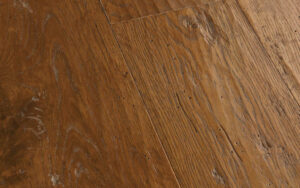
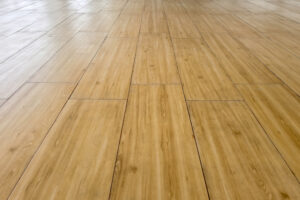
A luxury wood floor earns its place in a home through character. Grain patterns, color depth, and the way light moves across the surface give each plank a personality that no other material can copy. That character survives decades only when someone protects it. Wood is a natural, living material that responds to its environment, and the floors that look best at twenty years old are the ones that received consistent, informed care from the start. This guide walks through the cleaning and maintenance habits that keep your hardwood floors beautiful for the long term.
Why Every Luxury Wood Floor Needs a Care Routine
Random attention produces random results. A floor cleaned only when it starts to look tired accumulates wear between cleanings, and that wear compounds. A care routine, by contrast, spreads the work into small, regular steps that prevent problems instead of chasing them.
Solid Hardwood and Engineered Hardwood Age Differently
Solid hardwood is one piece of wood from surface to backing, so it ages as a single mass and can be sanded and refinished several times over its life. Engineered hardwood takes a different approach. A premium hardwood top layer sits over a stable core, which gives the floor excellent resistance to temperature changes and moisture while keeping the look of solid wood. The two age differently, so their care differs in small ways, but both reward the same habits: gentle cleaning, stable humidity, and protection from grit.
Natural Beauty Fades Through Small Neglect, Not One Accident
Floors rarely lose their beauty in a single event. They fade through a slow accumulation: dust ground in by footsteps here, a scratch left unaddressed there, a spill wiped up an hour late. Each one is invisible on its own. Together they scatter light unevenly, dull the finish, and flatten the depth that made the floor special. Proper maintenance is really just the habit of interrupting that accumulation early and often.
Regular Cleaning Protects the Finish
The finish on a wood floor is its armor. Dust and grit act as a fine abrasive, and every step over them sands that finish down a little. Regular cleaning removes dirt before it can do that work. A soft broom or a dust mop handles the daily pass, and a microfiber mop lifts fine particles a broom leaves behind. In high-traffic areas, this quick routine matters most because grit concentrates there and wear and tear accelerates.
Deep Cleaning Without Harming the Floor
Regular cleaning handles surface dust, but a deeper clean every few months lifts residue that settles into the finish. The cleaning process matters more than the effort. Use a damp mop, never a wet one, and work with the grain. Excess liquid is the enemy of any wooden floor, because standing water finds seams and causes swelling and water damage. A hardwood-safe cleaner applied lightly, then buffed dry, restores clarity to the surface without stressing the wood.
Choosing the Right Cleaner for a Wood Floor
Not every floor cleaner belongs on a luxury floor. Abrasive cleaners, vinegar, oil soap, and anything not formulated for wood will slowly strip or dull the finish. A pH-neutral hardwood floor cleaner is the safe standard because it cleans without attacking the coating that protects the wood. Finish type matters too, so check what your floor has before switching cleaning products. When in doubt, follow the manufacturer’s guidance for your specific floor.
Daily Cleaning Practices That Prevent Scratches and Spills
The most valuable cleaning practices cost nothing. They are the small habits that stop damage before it starts.
How a Scratch Changes the Way Light Reads the Wood
A scratch does more than mark the surface. It interrupts the way light reads the grain, and a floor covered in minor scratches and scuff marks looks dull even when it is perfectly clean. Prevent scratches instead of repairing them: furniture pads under legs, a mat and rug at entrances to catch grit, and pet nails kept short. Area rugs in high-traffic areas carry the wear so the floor does not have to.
Why a Spill Should Never Wait
Liquid is the fastest threat to a wood floor. A spill left sitting seeps into seams, raises the grain, and can leave a stain that no cleaning removes. Wipe spills immediately with a dry or barely damp cloth, then dry the spot. Water glasses, pet bowls, and potted plants deserve coasters and trays. A few seconds of attention protects beauty and durability for years.
Humidity Control and the Seasons
Wood absorbs moisture from the air and releases it again, so the floor moves with the seasons. Humidity control keeps that movement small and predictable.
Winter Dryness and Summer Moisture Move Wood Differently
Winter heating dries indoor air, and dry air pulls moisture from the planks, which can open small gaps between them. Summer humidity does the opposite, feeding moisture back into the wood. Stable humidity levels between roughly 35 and 55 percent keep the floor in balance, and a humidifier or dehumidifier maintains that range when the seasons push against it.
A Cleaning Routine That Follows the Seasons
A cleaning routine should shift with the calendar. Winter calls for aggressive entry mats to catch salt and slush, and immediate attention to melted snow. Spring and summer bring pollen, dust, and higher moisture, so cleaning frequency rises and windows near the floor deserve attention. Fall is the time for a deeper clean before the heating season begins. A maintenance routine that follows the seasons prevents the buildup that a fixed schedule misses.
Hardwood Floor Maintenance That Preserves Natural Beauty for Decades
Long-term hardwood floor maintenance comes down to three commitments. Clean gently and often, with the right products and a light touch. Protect the surface from grit, scratches, and standing liquid before they reach the wood. And keep the indoor environment stable so the planks never have to fight the air around them. Floors that receive this care rarely need refinishing, wear evenly, and last far longer than neglect allows. Whether your floor is solid wood or engineered, oak or European walnut, the wood rewards consistency. Treat it well, and the natural beauty you chose it for stays visible for decades.