The Interior Designer’s Guide to Specifying Italian Parquet in High-Altitude Homes
Specifying a floor for a high-altitude home tests everything an interior designer knows about materials. The elevation, the dry air, and the dramatic swings in temperature all work against ordinary flooring materials, yet the client still expects timeless elegance underfoot. Italian parquet answers that challenge better than almost any other option, pairing centuries of craftsmanship with construction engineered for demanding conditions. This guide walks through how designers specify Italian parquet flooring that performs beautifully in mountain environments, from choosing wood species to selecting finishes that last.
Why Italian Parquet Belongs in the Modern Mountain Home
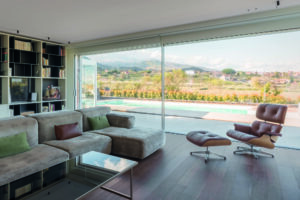
The modern mountain home has evolved far beyond rustic logs and heavy timber. Today’s designers blend clean lines, natural materials, and an open, airy sensibility that connects interior and exterior spaces. Italian parquet fits that vision perfectly, bringing warmth and refinement to living spaces that frame sweeping alpine views.
Parquet flooring gives a mountain home a foundation of natural beauty without tipping into either fussy tradition or cold minimalism. It grounds the interior in genuine wood while supporting the serene, contemporary aesthetics that high-altitude homeowners increasingly want.
The Elegance Italian Interiors Bring to Mountain Environments
Italian interiors carry an effortless elegance that translates remarkably well to mountain environments. The essence of Italian design lies in a harmonious blend of natural materials, thoughtful proportion, and a deep connection with nature, all qualities that echo the landscape outside a mountain window.
When a designer specifies Italian parquet, that connection to the surrounding scenery becomes tangible. The wood’s natural tones and texture soften sleek architectural features and create a serene, inviting atmosphere. Italian style knows how to make a large, airy space feel both grand and comfortable.
A Brief History of Italian Interior Design and Its Influence on the Floor
The history of Italian interior design stretches from the ornate grandeur of the Baroque period to the sleek lines of contemporary Italian minimalism. Through every era, one thread held constant: a devotion to craftsmanship and an emphasis on natural materials like wood and stone. Baroque interiors celebrated intricate patterns and artistic expression, while Italian design today favors clean lines and understated luxury.
That heritage shapes the floor directly. Classic layouts like herringbone trace back centuries, yet they feel entirely at home in a modern mountain interior. Italian craftsmanship carries both traditional and modern sensibilities, which gives designers enormous flexibility when specifying parquet.
What Interior Designers Should Know Before Specifying Parquet Flooring
Before an interior designer specifies parquet flooring for a high-altitude project, the environment has to drive the decision. Beauty matters, but a floor that cups, gaps, or warps within a season undermines the entire design. Understanding how altitude affects wood is the first step toward a specification that holds up.
How High-Altitude and Dry Mountain Climates Affect Flooring Materials
High-altitude and dry mountain climates pull moisture out of everything, and wood responds directly to that stress. As humidity drops and temperatures swing between day and night, flooring materials expand and contract. Solid wood, milled from a single piece, moves across its full width and becomes vulnerable to gapping and cupping in these conditions.
Radiant heat systems, common in mountain homes, add another layer of fluctuation beneath the floor. Designers who account for these temperature swings from the start avoid callbacks and disappointed clients. In dry climates, dimensional stability isn’t a luxury; it’s the baseline requirement.
Why Made-in-Italy Construction Holds Up Where Others Fail
Made-in-Italy engineered wood floors solve the problem that defeats standard solid wood. Instead of one solid slab, these floors layer a real-wood surface over a stable core, with the layers oriented to resist movement. That construction keeps the floor flat and tight through the humidity and temperature fluctuations that mountain climates deliver.
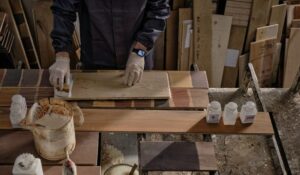
CP Parquet builds this stability into every plank, pairing it with genuine Italian craftsmanship you can read more about on their craftsmanship page. For designers, that reliability means the natural beauty of wood without the performance compromises, which is exactly why made-in-Italy construction holds up where lesser products fail.
Choosing the Right Wood Species for a High-Altitude Interior
Once stability is settled, wood species becomes the designer’s most expressive decision. Species shapes color, grain, and character, and it sets the tone for the entire interior.
Matching Wood Species to Light, Space, and Mountain Home Style
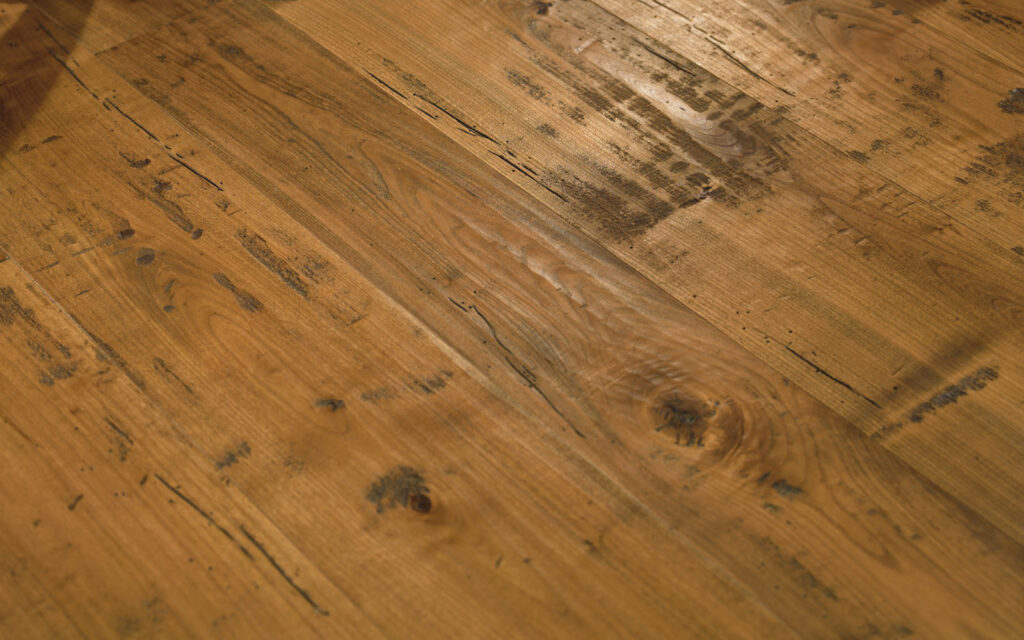
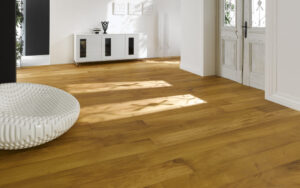
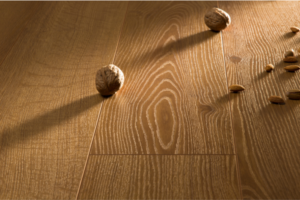
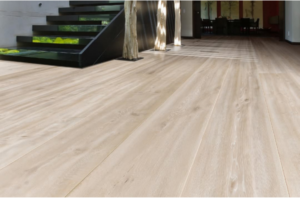
Mountain homes flood with natural light, so wood species should respond to that brightness. Pale oak or ash keeps a space open and airy, reflecting light across large living rooms and reinforcing a minimalist aesthetic. Richer species like walnut add depth and warmth, grounding a soaring great room with a sense of intimacy.
Neutral tones such as beige and taupe give designers a versatile canvas that pairs easily with both rustic accents and contemporary décor. The right wood species bridges the home’s style and its scale, and browsing the available wood species helps a designer visualize how each option behaves in a specific space.
Finish Options That Balance Beauty and Performance
A finish does more than set the sheen; it protects the wood and defines how the floor ages. In high-altitude homes, designers weigh aesthetics and practicality together, choosing finishes that preserve natural beauty while standing up to real mountain living.
Specifying Finishes for Living Rooms, Bathrooms, and High-Traffic Interiors
Different rooms demand different finishes. In living rooms and other high-traffic interiors, a durable matte or natural-oil finish resists wear while keeping the wood’s texture visible and authentic. These spaces see constant foot traffic, so durability guides the specification.
Bathrooms and moisture-prone areas call for extra care. While engineered parquet handles humidity far better than solid hardwood, designers often reserve wood for powder rooms and pair it with porcelain, ceramic tile, or natural stone in wetter zones. That thoughtful mix of hardwood flooring and tile balances warmth with practicality throughout the home.
Designing Around Italian Parquet Flooring
A beautiful floor sets the stage, but the surrounding design brings it to life. Once the parquet is specified, designers build the rest of the interior around its tone and character.
Layering Rugs, Italian Furniture, and Other Elements of Italian Interior Design
Layering a rug over parquet adds softness and defines zones within an open plan, while textiles introduce color and comfort against the wood’s natural grain. Italian furniture, with its clean lines and sculptural forms, complements the floor’s understated elegance and reinforces a cohesive Italian design language.
The most successful mountain interiors treat these elements as a family. Natural stone accents, warm textiles, and refined furniture echo the floor’s use of natural materials, creating a harmonious blend that feels collected rather than decorated. These are the elements of Italian interior design that turn a room into an experience.
Specifying Italian Parquet That Lasts in Dry Mountain Climates
Specifying a floor for a high-altitude home comes down to marrying beauty with performance. Italian parquet delivers both: the timeless aesthetics of genuine wood and the engineered stability that dry mountain climates demand. When designers choose the right species, finish, and construction, they give clients a floor that stays flat, warm, and elegant for decades.
For interior designers specifying flooring for mountain projects, understanding how Italian craftsmanship meets high-altitude performance makes every decision clearer. To explore species, formats, and finishes suited to demanding climates, browse CP Parquet’s luxury wood floors as you plan your next specification.